Fake WebsitesUpdated a month ago
What is Dr. Bronner's official website?
Dr. Bronner's official website is drbronner.com. It is the only official Dr. Bronner’s website where customers can purchase products directly from the company. Any other website claiming such is fraudulent and not a trusted partner of Dr. Bronner’s.
For details on purchasing our products on Amazon, click HERE. For information on purchasing outside the United States, check out our list of authorized distributors HERE.
How to Spot Fake Websites
Staying Safe Online
The internet can be an amazing place for connection, learning, and commerce, but it’s also a place where bad actors try to trick people into giving up money or personal information. Fake websites are one of the most common ways scams happen today.
What Is a Fake Website?
A fake website is a site created to look real, but it isn’t. Scammers copy the names, logos, and designs of trusted businesses, nonprofits, or even government agencies to convince people they’re in the right place.
Their goal is simple: get visitors to enter payment details, personal information, or send money directly.
Common Red Flags to Watch For
- A Website Address That’s “Almost Right”
- Scam sites often use web addresses that look legitimate at first glance but include subtle changes, such as extra letters, missing letters, or the wrong ending. Take a second look before trusting what you see. If the address feels slightly off, that’s worth paying attention to.
- Deals That Don’t Make Sense
- If a site is offering huge discounts, exclusive prizes, or once-in-a-lifetime deals that seem wildly unrealistic, pause. Scammers rely on excitement and urgency to short-circuit good judgment. When something looks too good to be true, it usually is.
- Sloppy Writing or Low Quality Design
- Misspellings, awkward phrasing, broken links, or blurry graphics can all be signs that a site was thrown together quickly. While design quality alone doesn’t guarantee legitimacy, poor execution can be a helpful warning sign.
- Misspellings, awkward phrasing, broken links, or blurry graphics can all be signs that a site was thrown together quickly. While design quality alone doesn’t guarantee legitimacy, poor execution can be a helpful warning sign.
Tools and Simple Habits That Help
Using built-in safeguards and your own good sense can go a long way to combat these fake sites.
- Pay Attention to Browser Warnings
- Modern web browsers are good allies. If you see a warning that a site may be unsafe or deceptive, like Google Safe Browsing, don’t push past it. Those alerts exist to protect you for a reason.
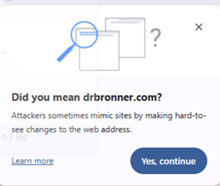
- Modern web browsers are good allies. If you see a warning that a site may be unsafe or deceptive, like Google Safe Browsing, don’t push past it. Those alerts exist to protect you for a reason.
- Type Website Addresses Yourself
- When possible, type a known website address directly into your browser instead of clicking links from emails, texts, or social media. This one habit can prevent many common scams.
- Don’t Rely on the Padlock Alone
- Seeing a padlock icon or “https” is better than not seeing it, but even scam sites can use secure connections. Always combine this check with the other signs above.
- Seeing a padlock icon or “https” is better than not seeing it, but even scam sites can use secure connections. Always combine this check with the other signs above.
What to Do If You’re Not Sure About a Website
If something doesn’t feel right:
- Don’t enter personal information.
- Don’t make a payment.
- Leave the site.
- Look up the organization separately using a trusted source and verify it there.
There’s no downside to taking an extra minute to confirm you’re in the right place.
What to Do If You’ve Already Interacted with a Fake Website
Mistakes happen, especially when scams are designed to look real. If you think you may have shared information or sent money:
- Change affected passwords immediately.
- Monitor your financial accounts for unusual activity.
- Contact your bank or card provider if payment information was involved.
- Report the incident to the appropriate consumer protection or fraud reporting agency, like the Internet Crime Complaint Center, https://www.ic3.gov/.
Staying safe online requires just a little awareness, patience, and care. By slowing down, checking the details, and trusting your instincts, you help protect not only yourself but the whole online community.